Geographical Explorations And Surveys
47 works
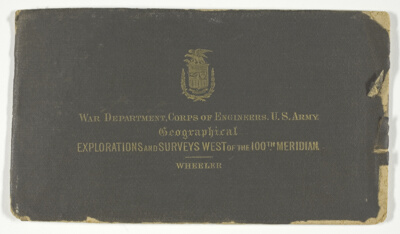
Geographical Explorations and Surveys West of the 100th Meridian
Timothy O'Sullivan

View across Black Cañon. The grand walls in perspective, No. 2 from the series "Geographical Explorations and Surveys West of the 100th Meridian"
Timothy O'Sullivan
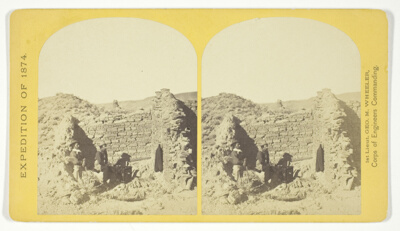
Characteristic ruin, of the Pueblo San Juan, New Mexico, on the north bank of the San Juan River, about 15 miles west of the mouth of Cañon Largo. The present race of Indians know nothing of when or by whom these buildings were constructed. The ruin is about 350 feet square, and built of natural stone, joined together by a mud cement, No. 43 from the series "Geographical Explorations and Surveys West of the 100th Meridian"
Timothy O'Sullivan
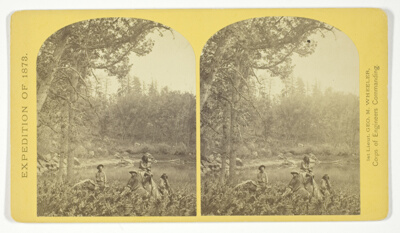
Coyotero Apache Scouts, at Apache Lake, Sierra Blanca Mountains, Arizona. Two members of the Expedition in the back-ground, No. 31 from the series "Geographical Explorations and Surveys West of the 100th Meridian"
Timothy O'Sullivan
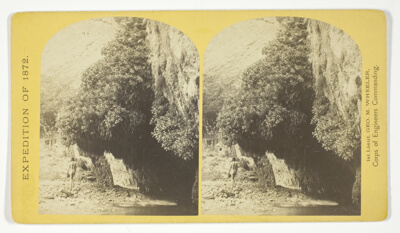
"The Bath," a dripping spring in Kanab Cañon. Temperature, 69° Fahr, No. 9 from the series "Geographical Explorations and Surveys West of the 100th Meridian"
William H. Bell
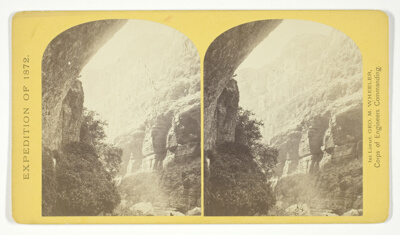
The Cañon of Kanab Creek, near its junction with the Grand Cañon of the Colorado. In the foreground is a dripping spring affording a shower bath. Temperature, 69° Fahr, No. 8 from the series "Geographical Explorations and Surveys West of the 100th Meridian"
William H. Bell

Types of Mojave Indians. This tribe inhabits the region of the lower Colorado, or western Arizona.Physically, they are the finest specimens in all the West, many of the males attaining to the height of 6 feet, No. 5 from the series "Geographical Explorations and Surveys West of the 100th Meridian"
Timothy O'Sullivan

View of Grand Cañon walls, near mouth of Diamond River. From water line to first shelf 1.500 feet; from shelf to top of table 3.500 feet. Distance from point of view to top of walls 3 miles, No. 6 from the series "Geographical Explorations and Surveys West of the 100th Meridian"
Timothy O'Sullivan
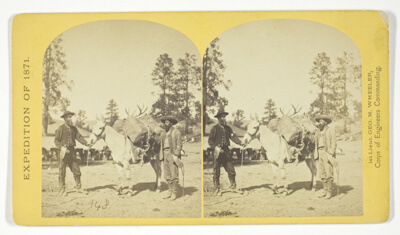
Mountain transportation. Pack mule, Pack and Packers, No. 7 from the series "Geographical Explorations and Surveys West of the 100th Meridian"
Timothy O'Sullivan
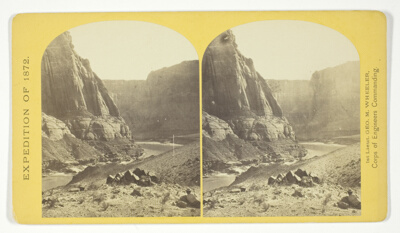
Mouth of the Paria, Colorado River; walls 2.100 feet in height, No. 11 from the series "Geographical Explorations and Surveys West of the 100th Meridian"
William H. Bell

Indian Pueblo of Zuni, New Mexico; view from the interior. The "Pueblo" or town, encloses a quadrangular area within which are the ruins of a church built under the direction of the Jesuit missionaries. The houses are built one above the other to the height of five or six stories. The entrances are mostly from the top, the ascent and descent being made by ladders, No. 16 from the series "Geographical Explorations and Surveys West of the 100th Meridian"
Timothy O'Sullivan
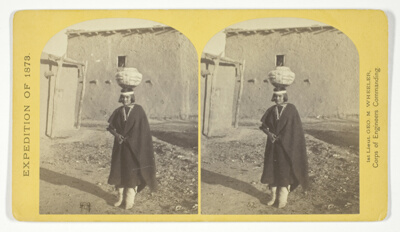
Zuni Indian Girl, with water olla, No. 17 from the series "Geographical Explorations and Surveys West of the 100th Meridian"
Timothy O'Sullivan
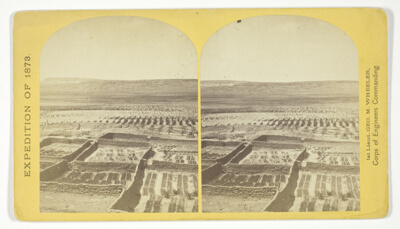
Gardens surrounding the Indian Pueblo of Zuni, in which are raised a variety of vegetables, such as peppers, onions, garlic &c, No. 18 from the series "Geographical Explorations and Surveys West of the 100th Meridian"
Timothy O'Sullivan
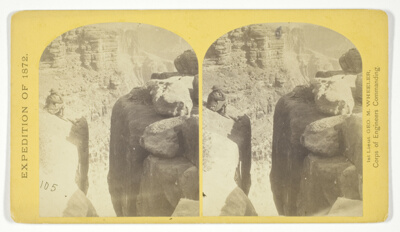
The northern wall of the Grand Cañon of the Colorado, near the foot of To-ro-weap valley. The rounded rocks of the foreground are sand-stone, No. 14 from the series "Geographical Explorations and Surveys West of the 100th Meridian"
William H. Bell
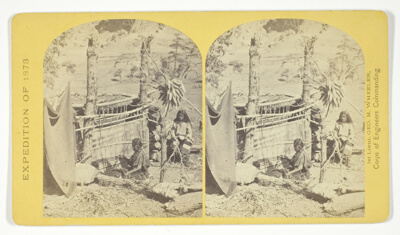
Aboriginal life among the Navajo Indians, Cañon de Chelle, New Mexico. Squaw weaving blankets. The native loom. The blankets made are of the best quality, and impervious to water, No. 26 from the series "Geographical Explorations and Surveys West of the 100th Meridian"
Timothy O'Sullivan

Navajo Indian Squaw, and Child, at their home, in Cañon de Chelle, No. 27 from the series "Geographical Explorations and Surveys West of the 100th Meridian"
Timothy O'Sullivan
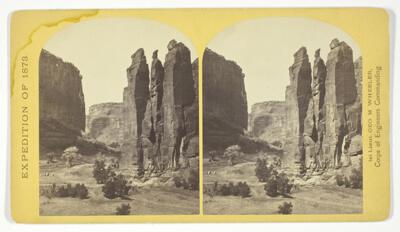
Camp Beauty, Canñon de Chelle; walls 1.200 feet high, width of Cañon at this point about one fourth of a mile. This view shows the perpendicular effect wrought by the action of floods. The Artist of the Expedition, Mr. Wyant, of New York, made a study of this scene with the intention to paint it as a characteristic Canon view, No. 25 from the series "Geographical Explorations and Surveys West of the 100th Meridian"
Timothy O'Sullivan
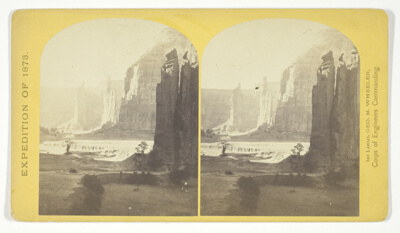
Central portion of Canñon de Chelle, New Mexico. This Canñon is one of the most remarkable in the west, and is noted for its beauty. The walls are of Red Sand-stone, nearly perpendicular, and at this point are 1.200 feet in height, No. 24 from the series "Geographical Explorations and Surveys West of the 100th Meridian"
Timothy O'Sullivan

Explorers Column, Cañon de Chelle, Arizona. This shaft is the work of nature, and is about 900 feet in height; base about 70 by 110 feet. It stands near the center of the Cañon, and it is almost impossible to believe that it is not the work of human hands, No. 23 from the series "Geographical Explorations and Surveys West of the 100th Meridian"
Timothy O'Sullivan
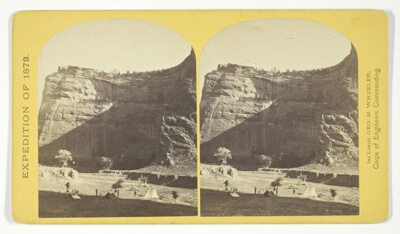
Circle Walls, Cañon de Chelle. Here the Cañon bends from an easterly direction nearly due north, the walls maintaining a perpendicular height of about 1.200 feet, No. 22 from the series "Geographical Explorations and Surveys West of the 100th Meridian"
Timothy O'Sullivan
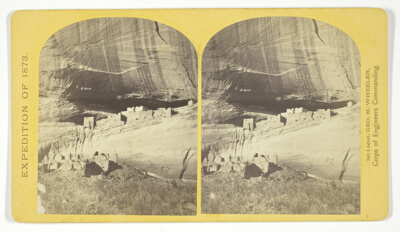
Ruins in Cañon de Chelle, N. M., in a cavity in the wall, 60 feet above present bed of Cañon. Height of walls about 700 feet. The present race of Indians know nothing of the age of these buildings of who occupied them, No. 21 from the series "Geographical Explorations and Surveys West of the 100th Meridian"
Timothy O'Sullivan
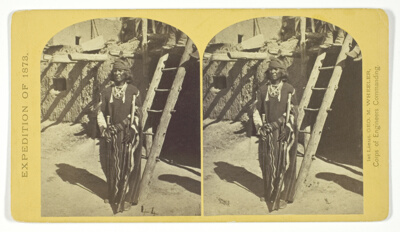
War Chief of the Zuni Indians, No. 20 from the series "Geographical Explorations and Surveys West of the 100th Meridian"
Timothy O'Sullivan
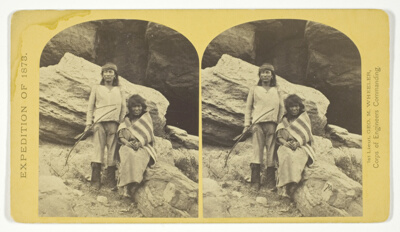
Navajo Brave and his Mother. The Navajo were formerly a warlike tribe until subdued by U.S. Troops, in 1859-60. Many of them now have fine flocks, and herds of horses, sheeps and goats, No. 29 from the series "Geographical Explorations and Surveys West of the 100th Meridian"
Timothy O'Sullivan
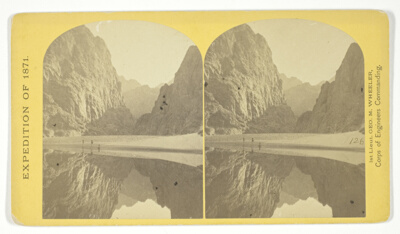
View down Black Cañon, from Mirror Bar. The walls repeated by reflection, No. 3 from the series "Geographical Explorations and Surveys West of the 100th Meridian"
Timothy O'Sullivan